logotype
  • Home
  • About Us
    • Company Overview
    • Our Sister Concerns
    • Mission & Vision
    • Message from MD
    • Awards, Certifications & Achievements
    • Recent Activities
  • Products
    • Fish Feed
      • Sinking
        • Sinking Carp Fish Feed
        • Sinking Pangus Fish Feed
        • Sinking Shrimp Feed
        • Sinking Tilapia Fish Feed
      • Floating
        • Floating Carp Fish Feed
        • Floating Cat Fish Feed
        • Floating Hatchery & Nursery Feed
        • Floating Koi Fish Feed
        • Floating Pangus Fish Feed
        • Floating Tilapia Fish Feed
    • Cattle Feed
      • Cattle Feed
    • Poultry Feed
      • Broiler & Sonali Poultry Feed
  • Production & Quality
    • Manufacturing Process
    • Quality Control
    • Laboratory Testing
    • Raw Materials
  • Distribution Network
    • Coverage Area
    • Become a Dealer
  • Contact Us
Get in Touch
logotype
logotype
  • Home
  • About Us
    • Company Overview
    • Our Sister Concerns
    • Mission & Vision
    • Message from MD
    • Awards, Certifications & Achievements
    • Recent Activities
  • Products
    • Fish Feed
      • Sinking
        • Sinking Carp Fish Feed
        • Sinking Pangus Fish Feed
        • Sinking Shrimp Feed
        • Sinking Tilapia Fish Feed
      • Floating
        • Floating Carp Fish Feed
        • Floating Cat Fish Feed
        • Floating Hatchery & Nursery Feed
        • Floating Koi Fish Feed
        • Floating Pangus Fish Feed
        • Floating Tilapia Fish Feed
    • Cattle Feed
      • Cattle Feed
    • Poultry Feed
      • Broiler & Sonali Poultry Feed
  • Production & Quality
    • Manufacturing Process
    • Quality Control
    • Laboratory Testing
    • Raw Materials
  • Distribution Network
    • Coverage Area
    • Become a Dealer
  • Contact Us
Get in Touch
logotype
  • Home
  • About Us
    • Company Overview
    • Our Sister Concerns
    • Mission & Vision
    • Message from MD
    • Awards, Certifications & Achievements
    • Recent Activities
  • Products
    • Fish Feed
      • Sinking
        • Sinking Carp Fish Feed
        • Sinking Pangus Fish Feed
        • Sinking Shrimp Feed
        • Sinking Tilapia Fish Feed
      • Floating
        • Floating Carp Fish Feed
        • Floating Cat Fish Feed
        • Floating Hatchery & Nursery Feed
        • Floating Koi Fish Feed
        • Floating Pangus Fish Feed
        • Floating Tilapia Fish Feed
    • Cattle Feed
      • Cattle Feed
    • Poultry Feed
      • Broiler & Sonali Poultry Feed
  • Production & Quality
    • Manufacturing Process
    • Quality Control
    • Laboratory Testing
    • Raw Materials
  • Distribution Network
    • Coverage Area
    • Become a Dealer
  • Contact Us
August 2025
Home2025
blog-post0
Harvest
August 18, 2025by Admin

Latest Updates in Global Agriculture

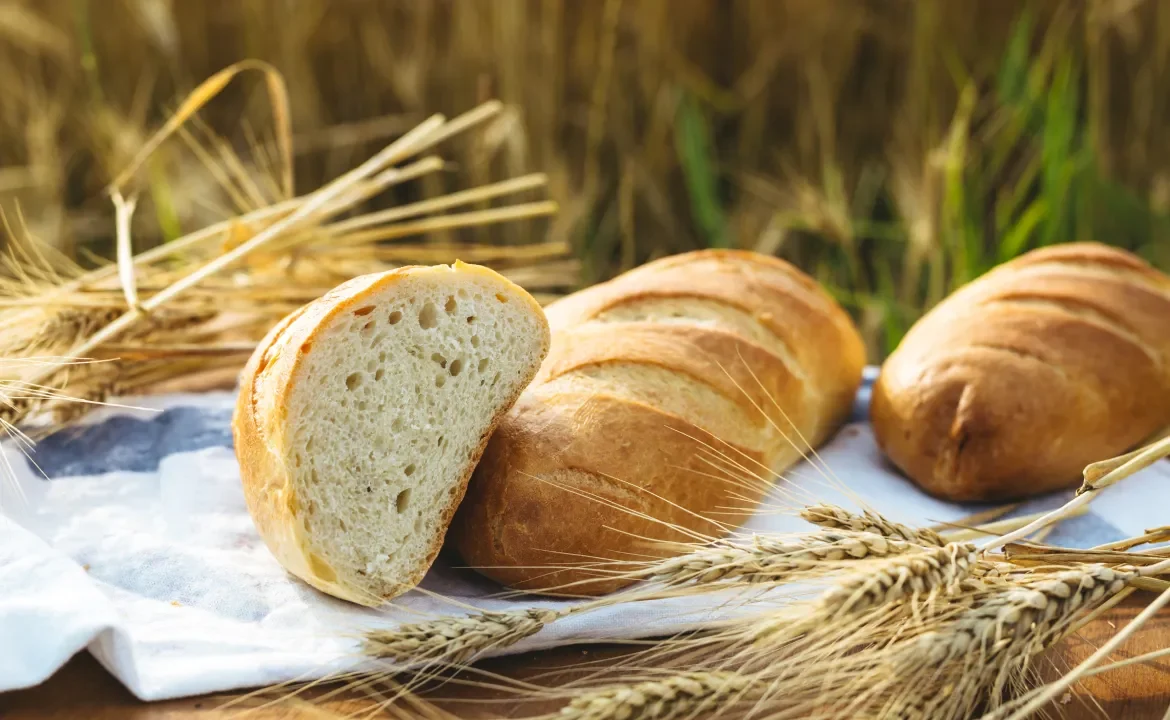
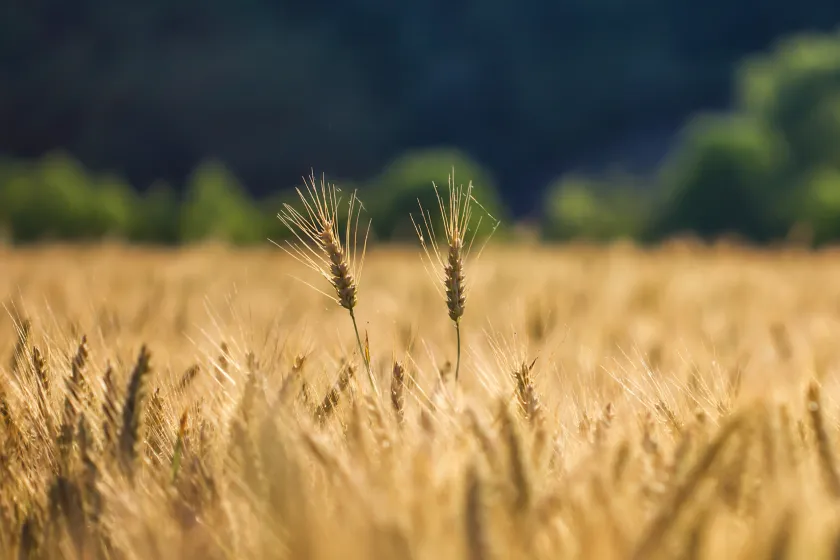
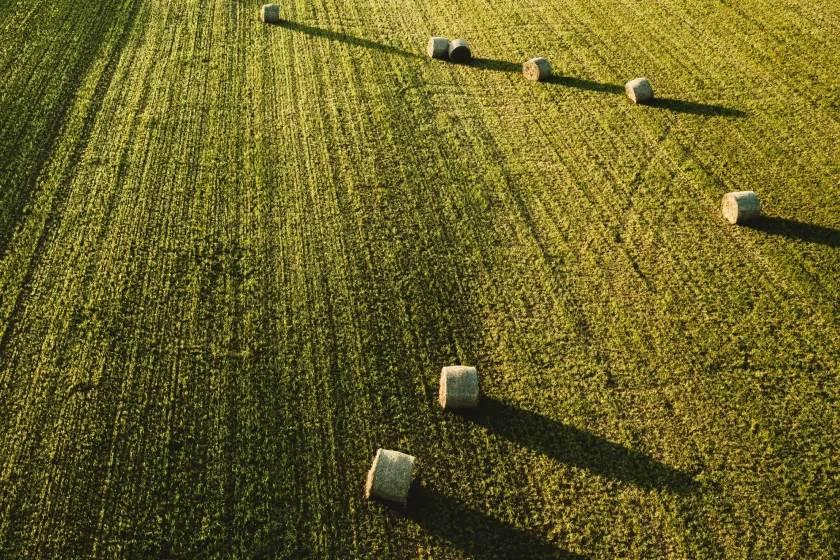
Soil is the foundation of every farm. It’s not just dirt — it’s a living system that supports crops, stores water, and provides essential nutrients to plants. For farmers, taking care of the soil isn’t just good practice — it’s the key to long-term success and sustainability. Healthy soil leads to stronger plants, higher yields, and better resistance to drought, pests, and diseases. When soil is in poor condition, even the best seeds and fertilizers may not produce the results you expect. That’s why understanding soil health is one of the most valuable skills any farmer can have. One of the most important signs of good soil is the presence of life — worms, microbes, and insects all play a role in keeping the soil fertile. These tiny organisms help break down organic matter and make nutrients available to crops. Soil that is dark, rich, and loose is usually full of life and ready to grow.

How to Keep Your Soil Fertile

Farmers can improve soil health over time by feeding the soil with natural materials like compost or manure, giving it time to rest between crops, and avoiding practices that damage its structure. Chemicals should be used wisely, as too much can harm the natural balance of life in the soil. Tilling should also be limited where possible, since it can break down the soil’s natural structure and increase the risk of erosion.
Why Is Soil Health Important?

Good soil doesn’t happen by accident — it’s built through years of thoughtful care. By paying attention to what the soil needs and supporting its natural processes, farmers can keep their land productive and profitable for generations. Taking care of your soil is one of the smartest investments you can make. When the soil is healthy, everything else on the farm works better too.

  • Use compost, manure, or green plant waste to feed the soil and make it soft and rich.
  • Change what you plant in each area every season. Different crops use different nutrients.
  • Grow plants like clover or mustard after harvest to protect and feed the soil.
  • Too much digging breaks the soil structure and harms good microbes. Try low or no-till methods.

Signs of Healthy Soil

Soil is not just the ground we walk on — it’s a living, dynamic part of every farm. For farmers, soil is the first and most important tool they have. Healthy soil can mean the difference between a strong harvest and a poor one. It affects plant growth, water use, disease resistance, and even farm costs. That’s why every farmer, whether growing on one acre or one hundred, should understand how soil health works and how to maintain it for the long term.

Good soil is full of life. Beneath the surface, it contains millions of tiny organisms — bacteria, fungi, worms, and insects — all working together to feed plants and maintain balance. These organisms break down organic matter like plant residues or manure, turning them into nutrients that crops can use. When this cycle is active and well-supported, your soil becomes more fertile, holds water better, and stays loose and breathable for roots to grow.
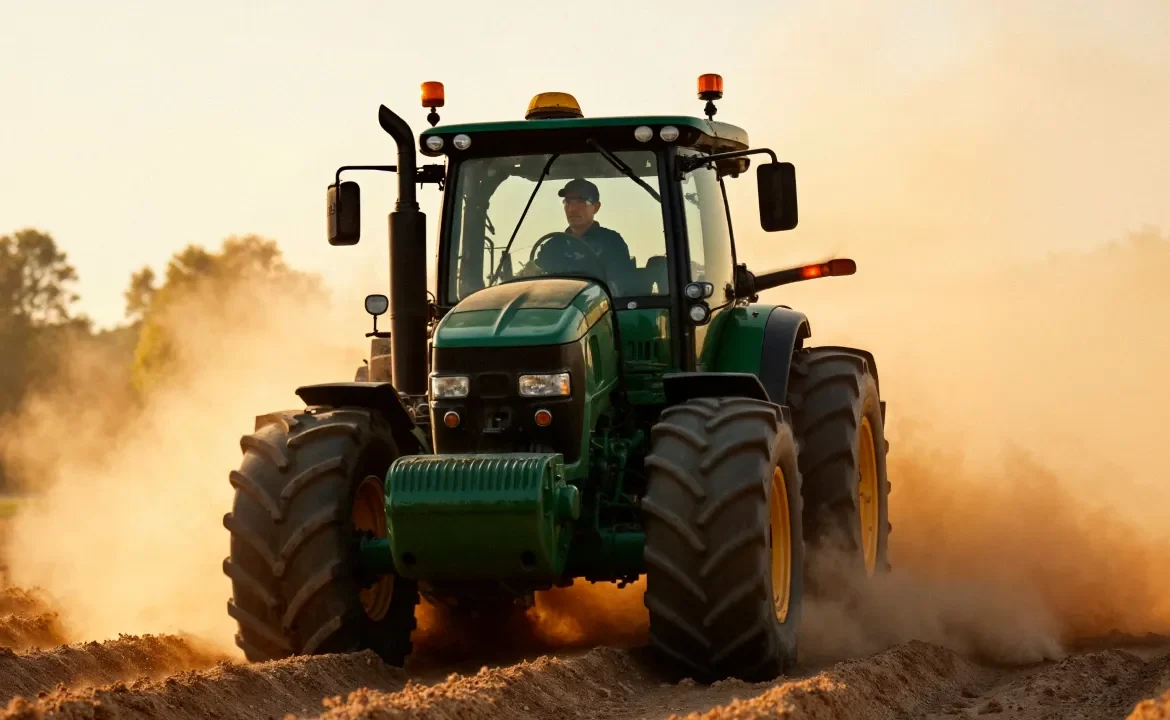
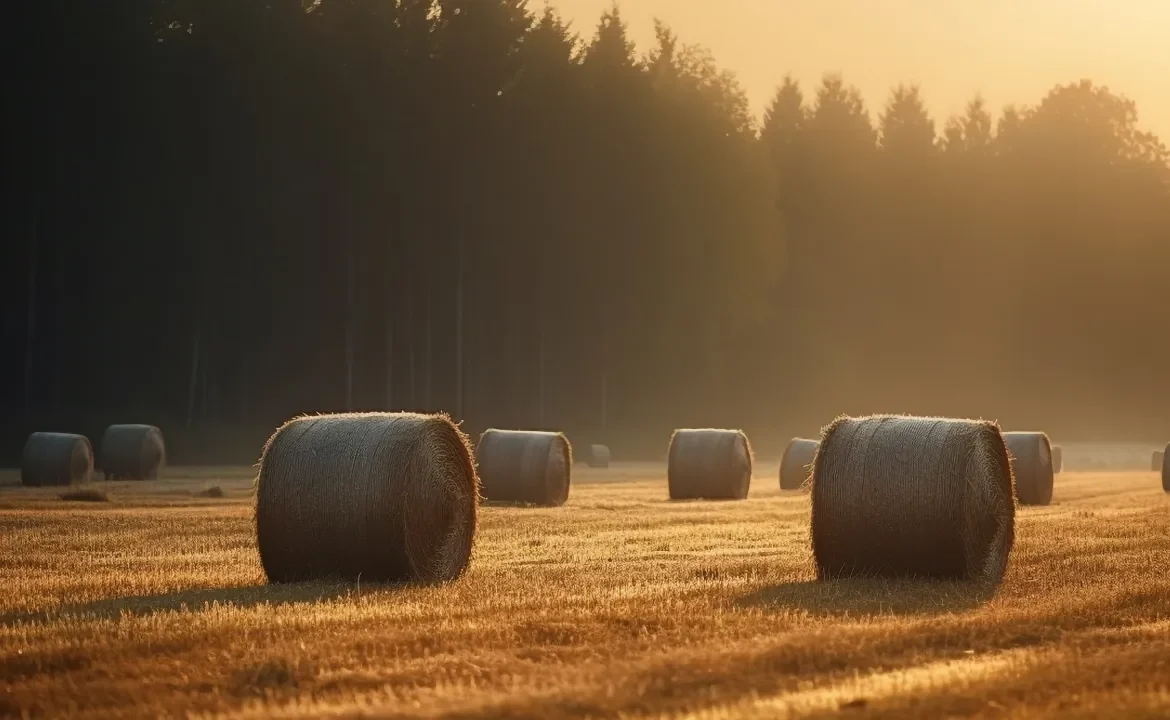
Read More
blog-post1
Agriculture
August 18, 2025by Admin

How Technology Is Changing Agriculture

Soil is the foundation of every farm. It’s not just dirt — it’s a living system that supports crops, stores water, and provides essential nutrients to plants. For farmers, taking care of the soil isn’t just good practice — it’s the key to long-term success and sustainability. Healthy soil leads to stronger plants, higher yields, and better resistance to drought, pests, and diseases. When soil is in poor condition, even the best seeds and fertilizers may not produce the results you expect. That’s why understanding soil health is one of the most valuable skills any farmer can have. One of the most important signs of good soil is the presence of life — worms, microbes, and insects all play a role in keeping the soil fertile. These tiny organisms help break down organic matter and make nutrients available to crops. Soil that is dark, rich, and loose is usually full of life and ready to grow.

How to Keep Your Soil Fertile

Farmers can improve soil health over time by feeding the soil with natural materials like compost or manure, giving it time to rest between crops, and avoiding practices that damage its structure. Chemicals should be used wisely, as too much can harm the natural balance of life in the soil. Tilling should also be limited where possible, since it can break down the soil’s natural structure and increase the risk of erosion.

Why Is Soil Health Important?

Good soil doesn’t happen by accident — it’s built through years of thoughtful care. By paying attention to what the soil needs and supporting its natural processes, farmers can keep their land productive and profitable for generations. Taking care of your soil is one of the smartest investments you can make. When the soil is healthy, everything else on the farm works better too.

  • Use compost, manure, or green plant waste to feed the soil and make it soft and rich.
  • Change what you plant in each area every season. Different crops use different nutrients.
  • Grow plants like clover or mustard after harvest to protect and feed the soil.
  • Too much digging breaks the soil structure and harms good microbes. Try low or no-till methods.

Signs of Healthy Soil

Soil is not just the ground we walk on — it’s a living, dynamic part of every farm. For farmers, soil is the first and most important tool they have. Healthy soil can mean the difference between a strong harvest and a poor one. It affects plant growth, water use, disease resistance, and even farm costs. That’s why every farmer, whether growing on one acre or one hundred, should understand how soil health works and how to maintain it for the long term.

Good soil is full of life. Beneath the surface, it contains millions of tiny organisms — bacteria, fungi, worms, and insects — all working together to feed plants and maintain balance. These organisms break down organic matter like plant residues or manure, turning them into nutrients that crops can use. When this cycle is active and well-supported, your soil becomes more fertile, holds water better, and stays loose and breathable for roots to grow.
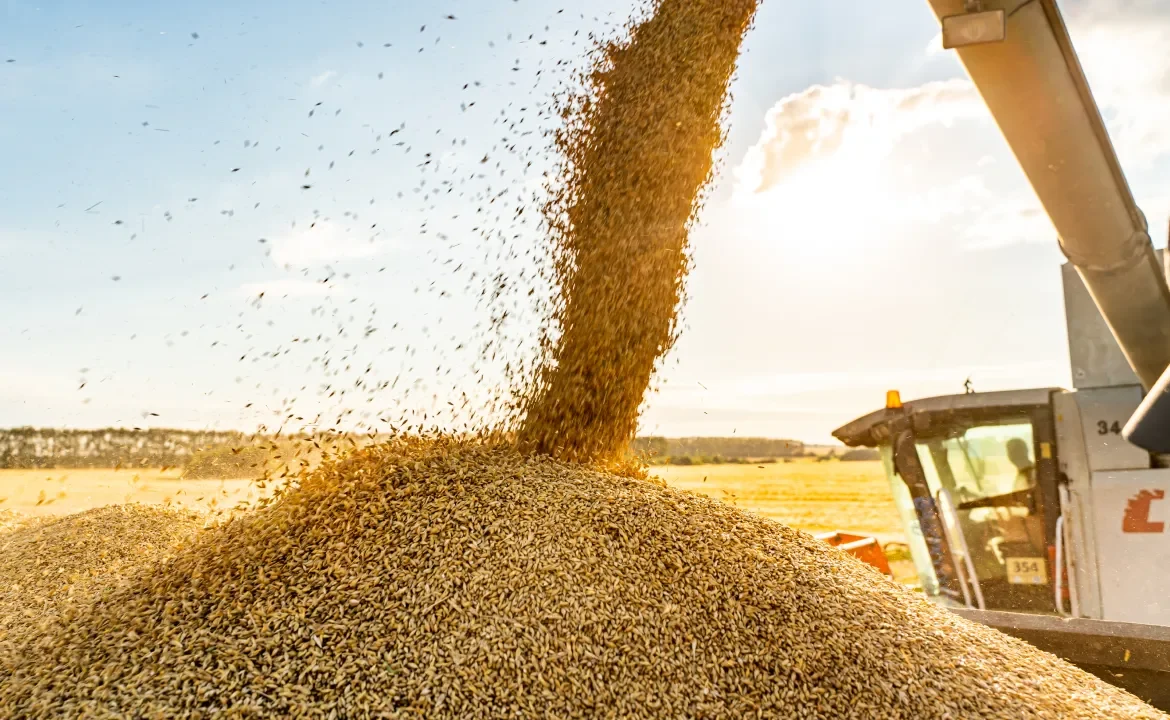
Read More
blog-post2
Agri-Tech
August 18, 2025by Admin

Organic vs. Conventional Farming

Soil is the foundation of every farm. It’s not just dirt — it’s a living system that supports crops, stores water, and provides essential nutrients to plants. For farmers, taking care of the soil isn’t just good practice — it’s the key to long-term success and sustainability. Healthy soil leads to stronger plants, higher yields, and better resistance to drought, pests, and diseases. When soil is in poor condition, even the best seeds and fertilizers may not produce the results you expect. That’s why understanding soil health is one of the most valuable skills any farmer can have. One of the most important signs of good soil is the presence of life — worms, microbes, and insects all play a role in keeping the soil fertile. These tiny organisms help break down organic matter and make nutrients available to crops. Soil that is dark, rich, and loose is usually full of life and ready to grow.

How to Keep Your Soil Fertile

Farmers can improve soil health over time by feeding the soil with natural materials like compost or manure, giving it time to rest between crops, and avoiding practices that damage its structure. Chemicals should be used wisely, as too much can harm the natural balance of life in the soil. Tilling should also be limited where possible, since it can break down the soil’s natural structure and increase the risk of erosion.

Why Is Soil Health Important?

Good soil doesn’t happen by accident — it’s built through years of thoughtful care. By paying attention to what the soil needs and supporting its natural processes, farmers can keep their land productive and profitable for generations. Taking care of your soil is one of the smartest investments you can make. When the soil is healthy, everything else on the farm works better too.

  • Use compost, manure, or green plant waste to feed the soil and make it soft and rich.
  • Change what you plant in each area every season. Different crops use different nutrients.
  • Grow plants like clover or mustard after harvest to protect and feed the soil.
  • Too much digging breaks the soil structure and harms good microbes. Try low or no-till methods.

Signs of Healthy Soil

Soil is not just the ground we walk on — it’s a living, dynamic part of every farm. For farmers, soil is the first and most important tool they have. Healthy soil can mean the difference between a strong harvest and a poor one. It affects plant growth, water use, disease resistance, and even farm costs. That’s why every farmer, whether growing on one acre or one hundred, should understand how soil health works and how to maintain it for the long term.

Good soil is full of life. Beneath the surface, it contains millions of tiny organisms — bacteria, fungi, worms, and insects — all working together to feed plants and maintain balance. These organisms break down organic matter like plant residues or manure, turning them into nutrients that crops can use. When this cycle is active and well-supported, your soil becomes more fertile, holds water better, and stays loose and breathable for roots to grow.
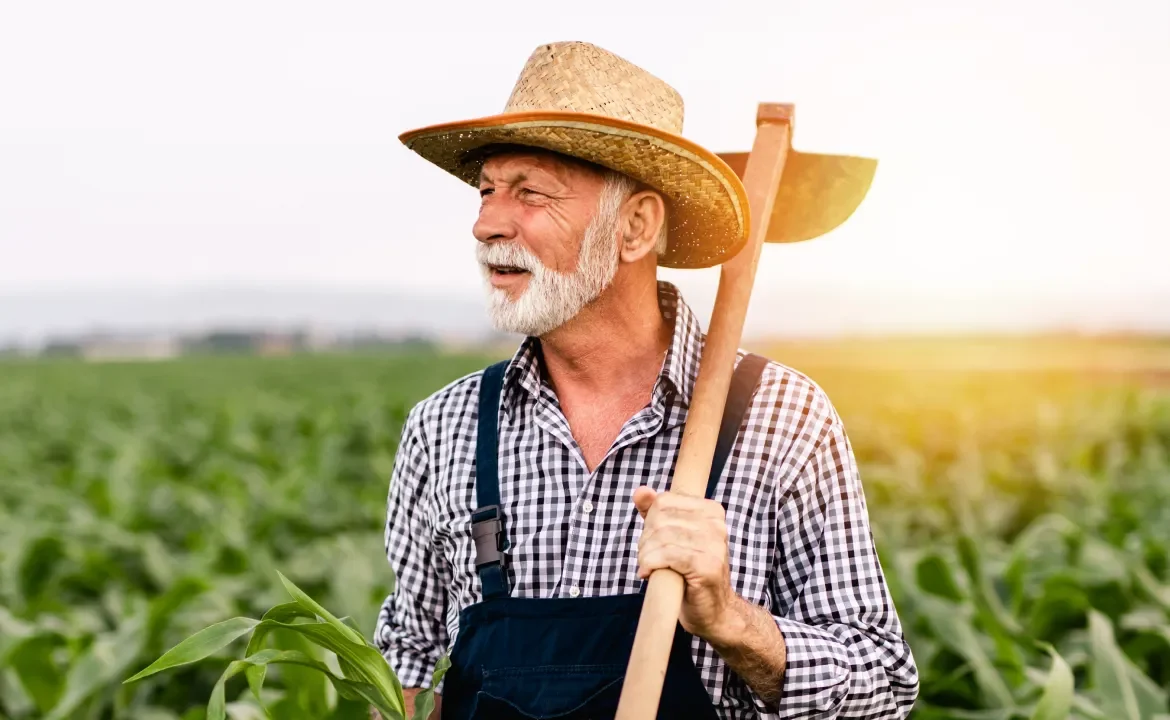
Read More
blog-post3
Protection
August 18, 2025by Admin

How to Choose the Right Fertilizer

Soil is the foundation of every farm. It’s not just dirt — it’s a living system that supports crops, stores water, and provides essential nutrients to plants. For farmers, taking care of the soil isn’t just good practice — it’s the key to long-term success and sustainability. Healthy soil leads to stronger plants, higher yields, and better resistance to drought, pests, and diseases. When soil is in poor condition, even the best seeds and fertilizers may not produce the results you expect. That’s why understanding soil health is one of the most valuable skills any farmer can have. One of the most important signs of good soil is the presence of life — worms, microbes, and insects all play a role in keeping the soil fertile. These tiny organisms help break down organic matter and make nutrients available to crops. Soil that is dark, rich, and loose is usually full of life and ready to grow.

How to Keep Your Soil Fertile

Farmers can improve soil health over time by feeding the soil with natural materials like compost or manure, giving it time to rest between crops, and avoiding practices that damage its structure. Chemicals should be used wisely, as too much can harm the natural balance of life in the soil. Tilling should also be limited where possible, since it can break down the soil’s natural structure and increase the risk of erosion.

Why Is Soil Health Important?

Good soil doesn’t happen by accident — it’s built through years of thoughtful care. By paying attention to what the soil needs and supporting its natural processes, farmers can keep their land productive and profitable for generations. Taking care of your soil is one of the smartest investments you can make. When the soil is healthy, everything else on the farm works better too.

  • Use compost, manure, or green plant waste to feed the soil and make it soft and rich.
  • Change what you plant in each area every season. Different crops use different nutrients.
  • Grow plants like clover or mustard after harvest to protect and feed the soil.
  • Too much digging breaks the soil structure and harms good microbes. Try low or no-till methods.

Signs of Healthy Soil

Soil is not just the ground we walk on — it’s a living, dynamic part of every farm. For farmers, soil is the first and most important tool they have. Healthy soil can mean the difference between a strong harvest and a poor one. It affects plant growth, water use, disease resistance, and even farm costs. That’s why every farmer, whether growing on one acre or one hundred, should understand how soil health works and how to maintain it for the long term.

Good soil is full of life. Beneath the surface, it contains millions of tiny organisms — bacteria, fungi, worms, and insects — all working together to feed plants and maintain balance. These organisms break down organic matter like plant residues or manure, turning them into nutrients that crops can use. When this cycle is active and well-supported, your soil becomes more fertile, holds water better, and stays loose and breathable for roots to grow.
Read More
blog-post4
Seeds
August 18, 2025by Admin

Smart Irrigation: Saving Water

Soil is the foundation of every farm. It’s not just dirt — it’s a living system that supports crops, stores water, and provides essential nutrients to plants. For farmers, taking care of the soil isn’t just good practice — it’s the key to long-term success and sustainability. Healthy soil leads to stronger plants, higher yields, and better resistance to drought, pests, and diseases. When soil is in poor condition, even the best seeds and fertilizers may not produce the results you expect. That’s why understanding soil health is one of the most valuable skills any farmer can have. One of the most important signs of good soil is the presence of life — worms, microbes, and insects all play a role in keeping the soil fertile. These tiny organisms help break down organic matter and make nutrients available to crops. Soil that is dark, rich, and loose is usually full of life and ready to grow.

How to Keep Your Soil Fertile

Farmers can improve soil health over time by feeding the soil with natural materials like compost or manure, giving it time to rest between crops, and avoiding practices that damage its structure. Chemicals should be used wisely, as too much can harm the natural balance of life in the soil. Tilling should also be limited where possible, since it can break down the soil’s natural structure and increase the risk of erosion.

Why Is Soil Health Important?

Good soil doesn’t happen by accident — it’s built through years of thoughtful care. By paying attention to what the soil needs and supporting its natural processes, farmers can keep their land productive and profitable for generations. Taking care of your soil is one of the smartest investments you can make. When the soil is healthy, everything else on the farm works better too.

  • Use compost, manure, or green plant waste to feed the soil and make it soft and rich.
  • Change what you plant in each area every season. Different crops use different nutrients.
  • Grow plants like clover or mustard after harvest to protect and feed the soil.
  • Too much digging breaks the soil structure and harms good microbes. Try low or no-till methods.

Signs of Healthy Soil

Soil is not just the ground we walk on — it’s a living, dynamic part of every farm. For farmers, soil is the first and most important tool they have. Healthy soil can mean the difference between a strong harvest and a poor one. It affects plant growth, water use, disease resistance, and even farm costs. That’s why every farmer, whether growing on one acre or one hundred, should understand how soil health works and how to maintain it for the long term.

Good soil is full of life. Beneath the surface, it contains millions of tiny organisms — bacteria, fungi, worms, and insects — all working together to feed plants and maintain balance. These organisms break down organic matter like plant residues or manure, turning them into nutrients that crops can use. When this cycle is active and well-supported, your soil becomes more fertile, holds water better, and stays loose and breathable for roots to grow.

Read More
blog-post5
Harvest
August 18, 2025by Admin

A Case Study in Crop Success

Soil is the foundation of every farm. It’s not just dirt — it’s a living system that supports crops, stores water, and provides essential nutrients to plants. For farmers, taking care of the soil isn’t just good practice — it’s the key to long-term success and sustainability. Healthy soil leads to stronger plants, higher yields, and better resistance to drought, pests, and diseases. When soil is in poor condition, even the best seeds and fertilizers may not produce the results you expect. That’s why understanding soil health is one of the most valuable skills any farmer can have. One of the most important signs of good soil is the presence of life — worms, microbes, and insects all play a role in keeping the soil fertile. These tiny organisms help break down organic matter and make nutrients available to crops. Soil that is dark, rich, and loose is usually full of life and ready to grow.

How to Keep Your Soil Fertile

Farmers can improve soil health over time by feeding the soil with natural materials like compost or manure, giving it time to rest between crops, and avoiding practices that damage its structure. Chemicals should be used wisely, as too much can harm the natural balance of life in the soil. Tilling should also be limited where possible, since it can break down the soil’s natural structure and increase the risk of erosion.

Why Is Soil Health Important?

Good soil doesn’t happen by accident — it’s built through years of thoughtful care. By paying attention to what the soil needs and supporting its natural processes, farmers can keep their land productive and profitable for generations. Taking care of your soil is one of the smartest investments you can make. When the soil is healthy, everything else on the farm works better too.

  • Use compost, manure, or green plant waste to feed the soil and make it soft and rich.
  • Change what you plant in each area every season. Different crops use different nutrients.
  • Grow plants like clover or mustard after harvest to protect and feed the soil.
  • Too much digging breaks the soil structure and harms good microbes. Try low or no-till methods.

Signs of Healthy Soil

Soil is not just the ground we walk on — it’s a living, dynamic part of every farm. For farmers, soil is the first and most important tool they have. Healthy soil can mean the difference between a strong harvest and a poor one. It affects plant growth, water use, disease resistance, and even farm costs. That’s why every farmer, whether growing on one acre or one hundred, should understand how soil health works and how to maintain it for the long term.

Good soil is full of life. Beneath the surface, it contains millions of tiny organisms — bacteria, fungi, worms, and insects — all working together to feed plants and maintain balance. These organisms break down organic matter like plant residues or manure, turning them into nutrients that crops can use. When this cycle is active and well-supported, your soil becomes more fertile, holds water better, and stays loose and breathable for roots to grow.
Read More
blog-post6
Seeds
August 18, 2025by Admin

Tech Trends in Farming 2025

Soil is the foundation of every farm. It’s not just dirt — it’s a living system that supports crops, stores water, and provides essential nutrients to plants. For farmers, taking care of the soil isn’t just good practice — it’s the key to long-term success and sustainability. Healthy soil leads to stronger plants, higher yields, and better resistance to drought, pests, and diseases. When soil is in poor condition, even the best seeds and fertilizers may not produce the results you expect. That’s why understanding soil health is one of the most valuable skills any farmer can have. One of the most important signs of good soil is the presence of life — worms, microbes, and insects all play a role in keeping the soil fertile. These tiny organisms help break down organic matter and make nutrients available to crops. Soil that is dark, rich, and loose is usually full of life and ready to grow.

How to Keep Your Soil Fertile

Farmers can improve soil health over time by feeding the soil with natural materials like compost or manure, giving it time to rest between crops, and avoiding practices that damage its structure. Chemicals should be used wisely, as too much can harm the natural balance of life in the soil. Tilling should also be limited where possible, since it can break down the soil’s natural structure and increase the risk of erosion.

Why Is Soil Health Important?

Good soil doesn’t happen by accident — it’s built through years of thoughtful care. By paying attention to what the soil needs and supporting its natural processes, farmers can keep their land productive and profitable for generations. Taking care of your soil is one of the smartest investments you can make. When the soil is healthy, everything else on the farm works better too.

  • Use compost, manure, or green plant waste to feed the soil and make it soft and rich.
  • Change what you plant in each area every season. Different crops use different nutrients.
  • Grow plants like clover or mustard after harvest to protect and feed the soil.
  • Too much digging breaks the soil structure and harms good microbes. Try low or no-till methods.

Signs of Healthy Soil

Soil is not just the ground we walk on — it’s a living, dynamic part of every farm. For farmers, soil is the first and most important tool they have. Healthy soil can mean the difference between a strong harvest and a poor one. It affects plant growth, water use, disease resistance, and even farm costs. That’s why every farmer, whether growing on one acre or one hundred, should understand how soil health works and how to maintain it for the long term.

Good soil is full of life. Beneath the surface, it contains millions of tiny organisms — bacteria, fungi, worms, and insects — all working together to feed plants and maintain balance. These organisms break down organic matter like plant residues or manure, turning them into nutrients that crops can use. When this cycle is active and well-supported, your soil becomes more fertile, holds water better, and stays loose and breathable for roots to grow.
Read More
blog-post7
Agriculture
August 18, 2025by Admin

Simple Tips for Healthier Crops

Soil is the foundation of every farm. It’s not just dirt — it’s a living system that supports crops, stores water, and provides essential nutrients to plants. For farmers, taking care of the soil isn’t just good practice — it’s the key to long-term success and sustainability. Healthy soil leads to stronger plants, higher yields, and better resistance to drought, pests, and diseases. When soil is in poor condition, even the best seeds and fertilizers may not produce the results you expect. That’s why understanding soil health is one of the most valuable skills any farmer can have. One of the most important signs of good soil is the presence of life — worms, microbes, and insects all play a role in keeping the soil fertile. These tiny organisms help break down organic matter and make nutrients available to crops. Soil that is dark, rich, and loose is usually full of life and ready to grow.

How to Keep Your Soil Fertile

Farmers can improve soil health over time by feeding the soil with natural materials like compost or manure, giving it time to rest between crops, and avoiding practices that damage its structure. Chemicals should be used wisely, as too much can harm the natural balance of life in the soil. Tilling should also be limited where possible, since it can break down the soil’s natural structure and increase the risk of erosion.

Why Is Soil Health Important?

Good soil doesn’t happen by accident — it’s built through years of thoughtful care. By paying attention to what the soil needs and supporting its natural processes, farmers can keep their land productive and profitable for generations. Taking care of your soil is one of the smartest investments you can make. When the soil is healthy, everything else on the farm works better too.

  • Use compost, manure, or green plant waste to feed the soil and make it soft and rich.
  • Change what you plant in each area every season. Different crops use different nutrients.
  • Grow plants like clover or mustard after harvest to protect and feed the soil.
  • Too much digging breaks the soil structure and harms good microbes. Try low or no-till methods.

Signs of Healthy Soil

Soil is not just the ground we walk on — it’s a living, dynamic part of every farm. For farmers, soil is the first and most important tool they have. Healthy soil can mean the difference between a strong harvest and a poor one. It affects plant growth, water use, disease resistance, and even farm costs. That’s why every farmer, whether growing on one acre or one hundred, should understand how soil health works and how to maintain it for the long term.

Good soil is full of life. Beneath the surface, it contains millions of tiny organisms — bacteria, fungi, worms, and insects — all working together to feed plants and maintain balance. These organisms break down organic matter like plant residues or manure, turning them into nutrients that crops can use. When this cycle is active and well-supported, your soil becomes more fertile, holds water better, and stays loose and breathable for roots to grow.
Read More
blog-post8
Agri-Tech
August 18, 2025by Admin

Organic vs. Hybrid: What to Know

Soil is the foundation of every farm. It’s not just dirt — it’s a living system that supports crops, stores water, and provides essential nutrients to plants. For farmers, taking care of the soil isn’t just good practice — it’s the key to long-term success and sustainability. Healthy soil leads to stronger plants, higher yields, and better resistance to drought, pests, and diseases. When soil is in poor condition, even the best seeds and fertilizers may not produce the results you expect. That’s why understanding soil health is one of the most valuable skills any farmer can have. One of the most important signs of good soil is the presence of life — worms, microbes, and insects all play a role in keeping the soil fertile. These tiny organisms help break down organic matter and make nutrients available to crops. Soil that is dark, rich, and loose is usually full of life and ready to grow.

How to Keep Your Soil Fertile

Farmers can improve soil health over time by feeding the soil with natural materials like compost or manure, giving it time to rest between crops, and avoiding practices that damage its structure. Chemicals should be used wisely, as too much can harm the natural balance of life in the soil. Tilling should also be limited where possible, since it can break down the soil’s natural structure and increase the risk of erosion.

Why Is Soil Health Important?

Good soil doesn’t happen by accident — it’s built through years of thoughtful care. By paying attention to what the soil needs and supporting its natural processes, farmers can keep their land productive and profitable for generations. Taking care of your soil is one of the smartest investments you can make. When the soil is healthy, everything else on the farm works better too.

  • Use compost, manure, or green plant waste to feed the soil and make it soft and rich.
  • Change what you plant in each area every season. Different crops use different nutrients.
  • Grow plants like clover or mustard after harvest to protect and feed the soil.
  • Too much digging breaks the soil structure and harms good microbes. Try low or no-till methods.

Signs of Healthy Soil

Soil is not just the ground we walk on — it’s a living, dynamic part of every farm. For farmers, soil is the first and most important tool they have. Healthy soil can mean the difference between a strong harvest and a poor one. It affects plant growth, water use, disease resistance, and even farm costs. That’s why every farmer, whether growing on one acre or one hundred, should understand how soil health works and how to maintain it for the long term.

Good soil is full of life. Beneath the surface, it contains millions of tiny organisms — bacteria, fungi, worms, and insects — all working together to feed plants and maintain balance. These organisms break down organic matter like plant residues or manure, turning them into nutrients that crops can use. When this cycle is active and well-supported, your soil becomes more fertile, holds water better, and stays loose and breathable for roots to grow.

Read More
blog-post9
Seeds
August 18, 2025by Admin

Best Seeds for Tough Soils

Soil is the foundation of every farm. It’s not just dirt — it’s a living system that supports crops, stores water, and provides essential nutrients to plants. For farmers, taking care of the soil isn’t just good practice — it’s the key to long-term success and sustainability. Healthy soil leads to stronger plants, higher yields, and better resistance to drought, pests, and diseases. When soil is in poor condition, even the best seeds and fertilizers may not produce the results you expect. That’s why understanding soil health is one of the most valuable skills any farmer can have. One of the most important signs of good soil is the presence of life — worms, microbes, and insects all play a role in keeping the soil fertile. These tiny organisms help break down organic matter and make nutrients available to crops. Soil that is dark, rich, and loose is usually full of life and ready to grow.

How to Keep Your Soil Fertile

Farmers can improve soil health over time by feeding the soil with natural materials like compost or manure, giving it time to rest between crops, and avoiding practices that damage its structure. Chemicals should be used wisely, as too much can harm the natural balance of life in the soil. Tilling should also be limited where possible, since it can break down the soil’s natural structure and increase the risk of erosion.

Why Is Soil Health Important?

Good soil doesn’t happen by accident — it’s built through years of thoughtful care. By paying attention to what the soil needs and supporting its natural processes, farmers can keep their land productive and profitable for generations. Taking care of your soil is one of the smartest investments you can make. When the soil is healthy, everything else on the farm works better too.

  • Use compost, manure, or green plant waste to feed the soil and make it soft and rich.
  • Change what you plant in each area every season. Different crops use different nutrients.
  • Grow plants like clover or mustard after harvest to protect and feed the soil.
  • Too much digging breaks the soil structure and harms good microbes. Try low or no-till methods.

Signs of Healthy Soil

Soil is not just the ground we walk on — it’s a living, dynamic part of every farm. For farmers, soil is the first and most important tool they have. Healthy soil can mean the difference between a strong harvest and a poor one. It affects plant growth, water use, disease resistance, and even farm costs. That’s why every farmer, whether growing on one acre or one hundred, should understand how soil health works and how to maintain it for the long term.

Good soil is full of life. Beneath the surface, it contains millions of tiny organisms — bacteria, fungi, worms, and insects — all working together to feed plants and maintain balance. These organisms break down organic matter like plant residues or manure, turning them into nutrients that crops can use. When this cycle is active and well-supported, your soil becomes more fertile, holds water better, and stays loose and breathable for roots to grow.

Read More
  • 1
  • 2

Driven by passion. Grounded in purpose. Focused on results.

info@chhuyaagro.com
+1 800 123 46 57
Instagram
Twitter
Facebook
LinkedIn

Useful Links

  • Coverage Area
  • Become A Dealer
  • Quality Control
  • About Us
  • Contact Us

Subscribe

    Our expertise, as well as our passion for web design, sets us apart from other agencies.

    © 2026 Chhuya Agro. All Rights Reserved